





Where to start with gardening in February?
Your Garden in February - As Spring approaches our gardens come back to life again and there is much to do in readiness for the gardening year ahead.
It’s the perfect time to work on your Grow Your Own plans for the year, get organised and buy the seeds and compost you will need in the coming months. Spending time preparing your vegetable and flower beds will mean you get the best out of your planting this year. By using manure and compost you can make sure the soil is in great condition beforehand. February is a great time to start sowing vegetable seeds under-cover. You can look at starting tomatoes, peppers, aubergines and cucumbers. As for flowers, sweet peas can be sown too. They are a delight in the garden for all of the senses. Stored on a sunny windowsill, they will soon start to germinate.
Trimming and pruning is a key focus this month, trim back ivy and creepers if they have outgrown their space before birds start nesting in them. Prune winter-flowering shrubs that have finished flowering such as mahonia, heathers and winter jasmine. You can now cut back deciduous grasses left uncut over Winter ready for fresh growth to start as the weather warms up.
We have even included a few words from Boyd J Douglas-Davies, our PR and Communications Director. He's talked about his views on gardening during lockdown and it is well worth a read.

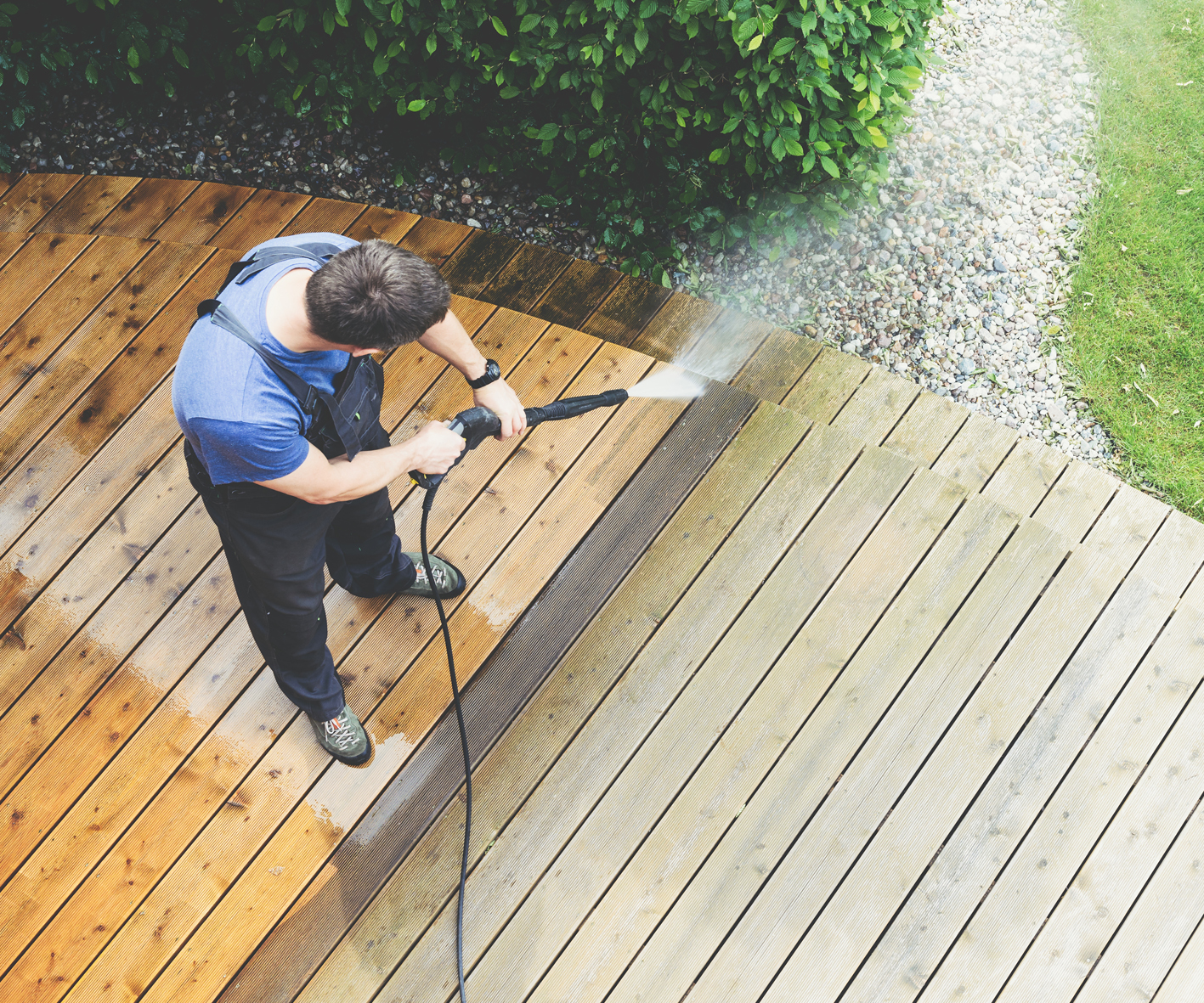
Clean your patios and paths
Scrub and pressure wash patio's, decked areas or paths. This will keep you and your family safe in the garden from any slippery dirt or moss that may have accumulated over the winter months. Make sure you wrap up warm with suitable footwear, it's one of the colder February jobs!
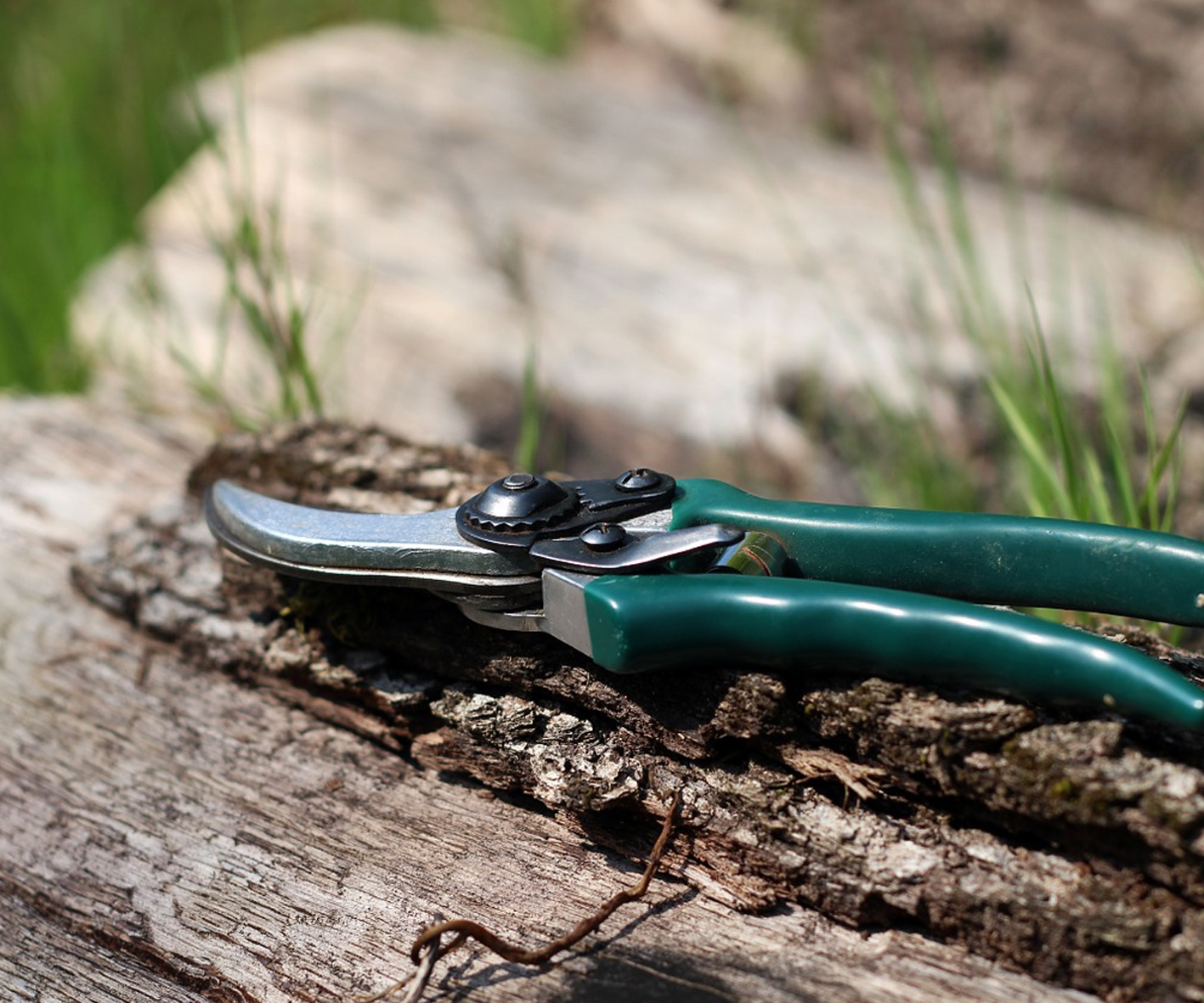
Trim!
Trim back ivy and creepers if they have outgrown their space, keep them away from doors, windows and roofs on your home. This will help make them more manageable for future pruning. It's important to do this pruning in February/March before birds start nesting again.
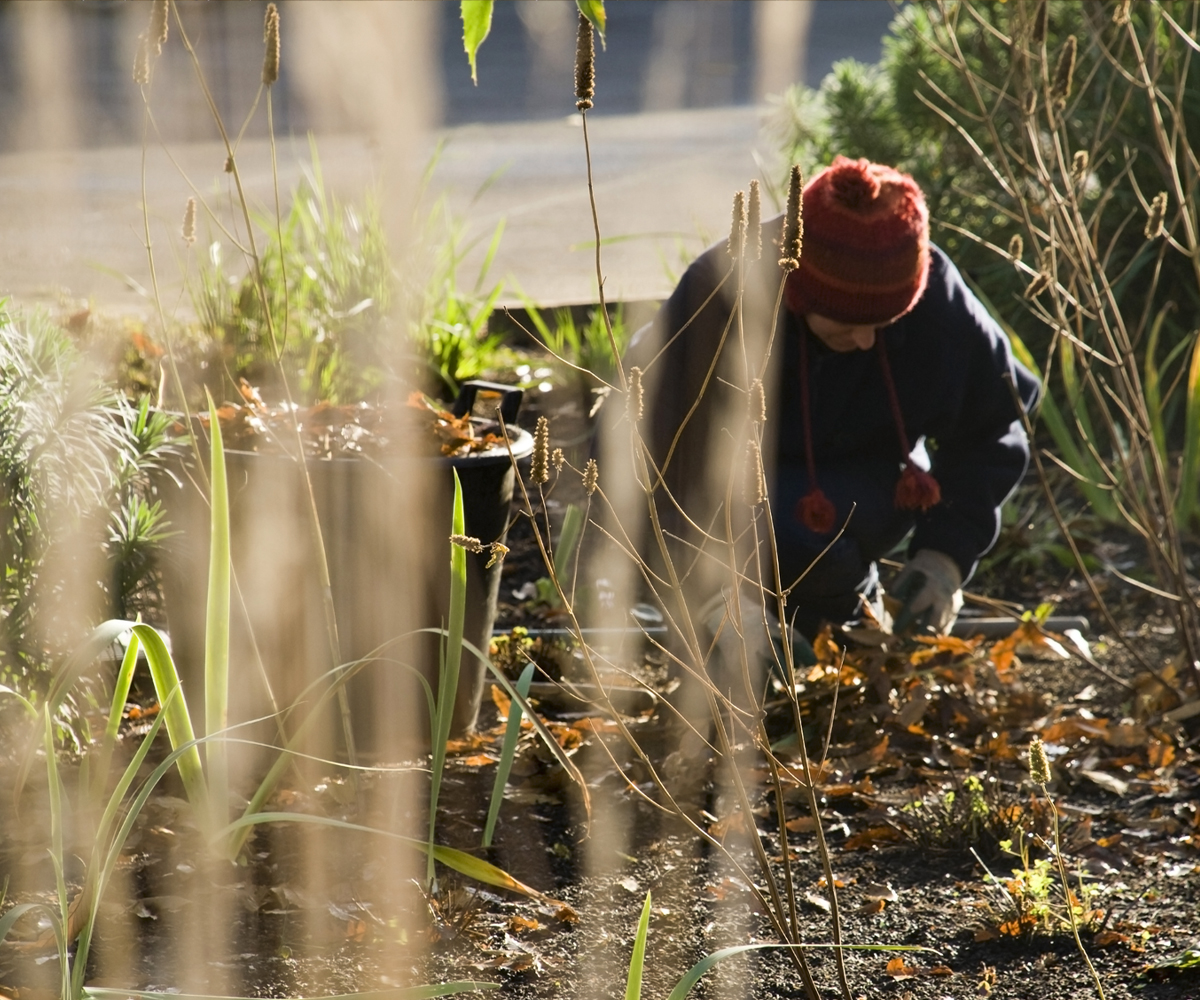
Prune!
Prune any winter-flowering deciduous shrubs that have finished flowering such as Buddleja and hardy fuschias. Be sure to wait until after flowering as you could lose out on the display later in the year.
Feed flowering shrubs.
Clear the soil around the base of your shrubs once pruned to remove any debris and old leaves and sprinkle slow-release fertilizer to their bases. Alternatively, you can add well-rotted organic matter and water in well - If you've had particularly wet weather, skip the watering for now but keep an eye on them.
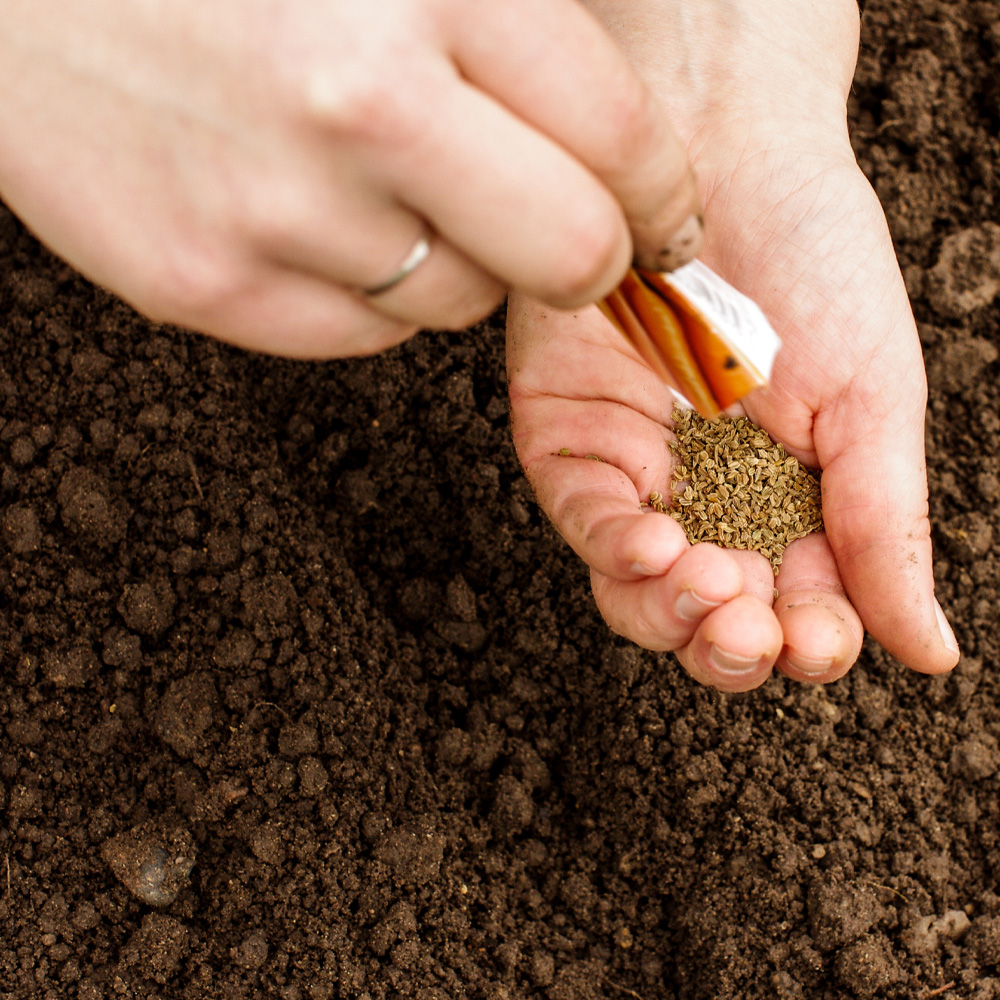
Sow - Vegetables!
Sow vegetable seeds either in a propagator or on a windowsill - Kale, Tomatoes, Broad Beans & Peppers are some to think about.
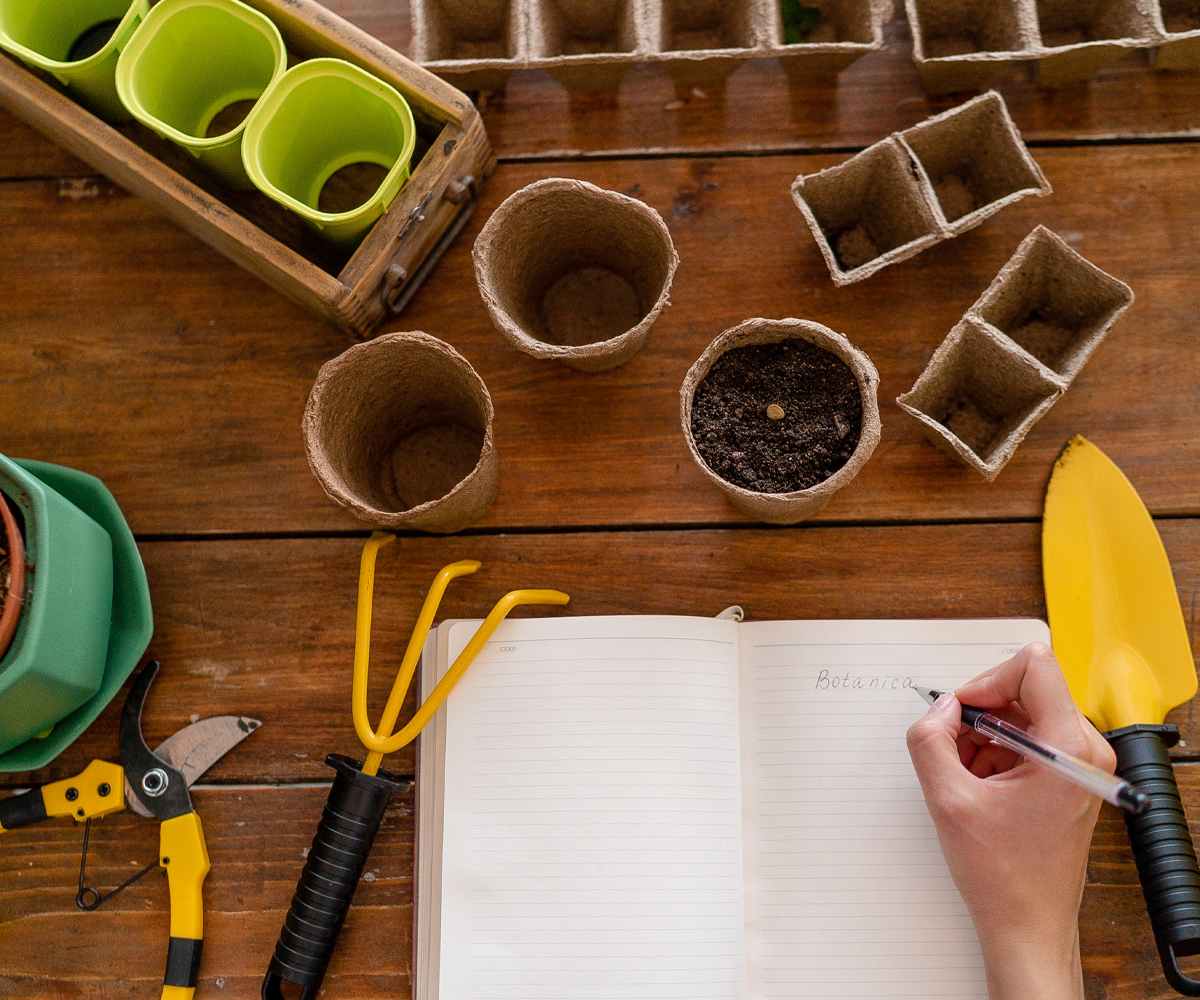
Sow - Flowers!
Sow seeds and keep them on a sunny windowsill or frost-free in a greenhouse/ cold frame. You can look at sowing sweet peas, foxgloves, achillea, salvia and dahlias, the list is endless. Propagating seeds is sometimes easier than direct sowing for control because you can easily weed around them once transplanted into the garden. You can also pick and choose the healthiest seedlings to maximise your crop/display.
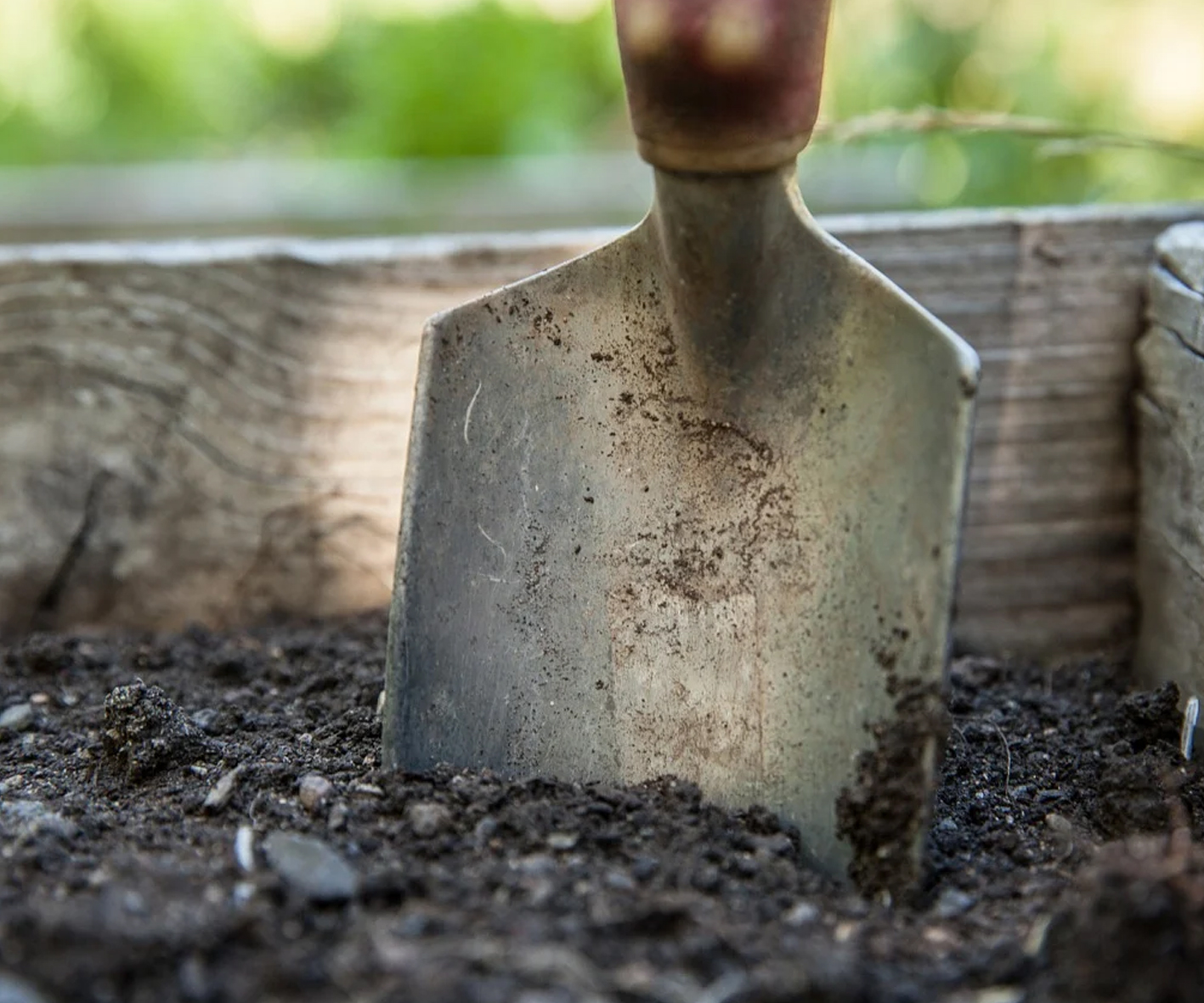
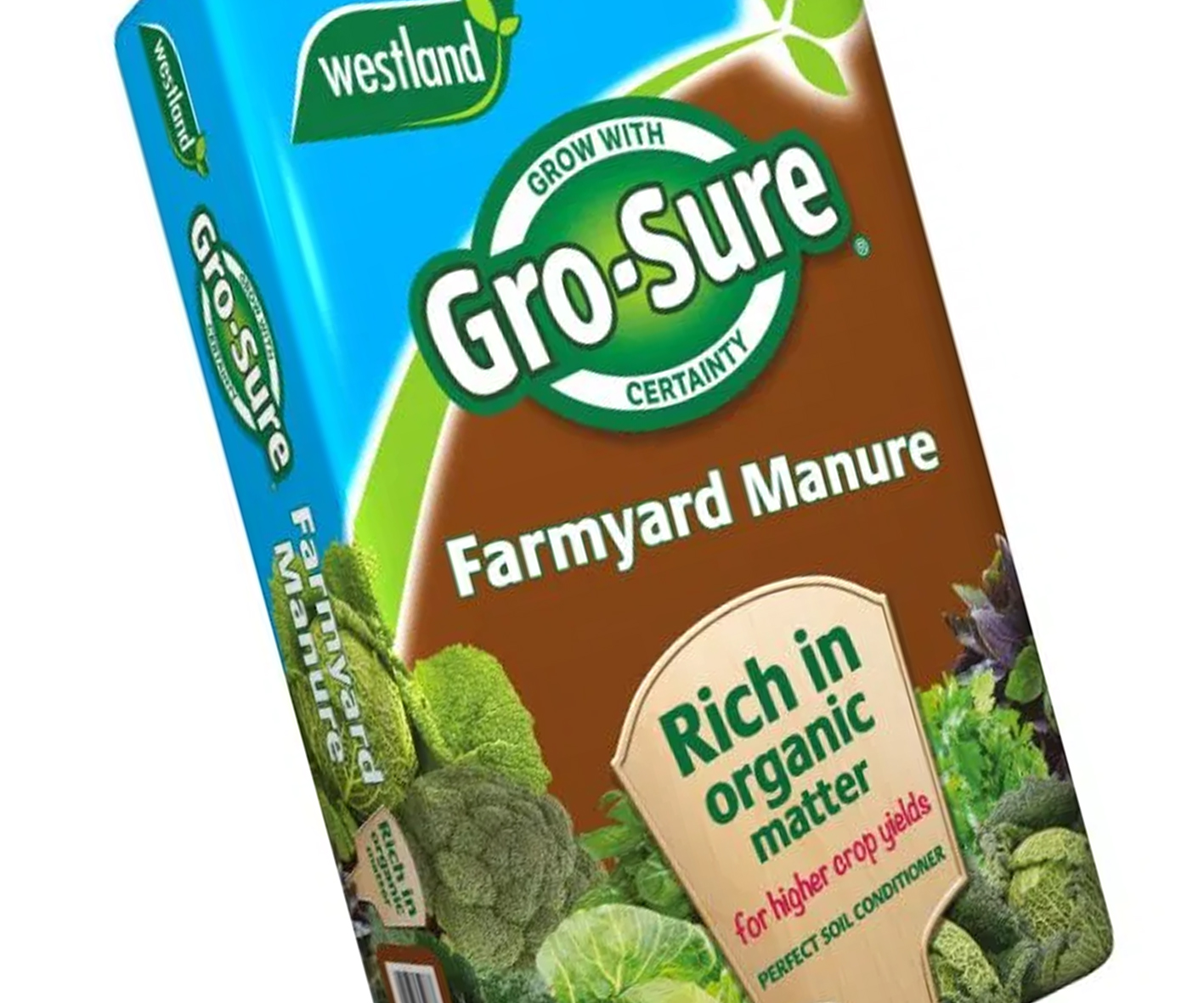
Soil maintenance
Improve soil in both your flower beds and vegetable patch by adding organic matter such as manure and compost to them. This will get your beds in great condition with enough nutrients to give your plants the best start. By adding natural matter it makes the soil more workable for you too while enhancing moisture retention (sandy soils) or drainage (clay soils).

Get Chitting.
Chit first-early potatoes by standing them in trays in a bright but frost-free place. Growing potatoes can be fun and rewarding. They are one of the easier vegetables to grow. You can grow potatoes in a small space in the garden or on your patio or balcony by growing them in bags or containers. We have a whole blog post on this topic...
"Essential is a strange word widely open to discussion - I prefer the word beneficial."
Boyd J Douglas-Davies - PR and Communications Director
On October 31st 2020 it became official. The government recognised the importance Garden Centres play in the health and well-being of people. By providing essential items to grow the nation's gardens and outdoor spaces. As garden lovers, we are all delighted to be allowed to continue planting and tending our gardens. Essential is a strange word widely open to discussion - I prefer the word beneficial. I don’t know anyone that can argue successfully that time with plants isn’t exactly that.
Everyone can see plenty to do in the garden in spring but over recent years opportunities to enjoy time with plants in autumn and winter have become less well-known, even though they still exist. Many a milder day toward the end of last year saw us out in our gardens grabbing every precious moment. Milder winters make planting in the garden extremely viable. By getting roots into the ground at this time of year, plants establish themselves long before the dryer days of summer.
The first of this year’s seed potatoes are available along with the full range of seeds, many of which can be sown indoors in the weeks to come. A great selection is available from the gardenstoreonline.co.uk.

During lockdown one I planted a bottle garden with indoor succulents, it has flourished. Having watered it at the time of planting and then sealing it with the supplied cork, I haven’t had to water it since. Making it a fascinating focal point in my home and something to be proud of I can recommend.
Foliage in the home and workspace is known to reduce dust and improve the quality of the air. So why wouldn’t you want a green air-cleaning machine? Why not fill the space your Christmas Tree occupied with a large foliage house plant?
An incredible 29million+ people took time to garden in the UK last year, were you one of them? If not, make one of your 2023 resolutions to spend time with plants every week of the year. Whilst it might not be essential, I promise it will be beneficial.
Essential kit for February.
Here are a few things we think will help you be productive in the garden this month. All available on our online store for home delivery or click & collect.


